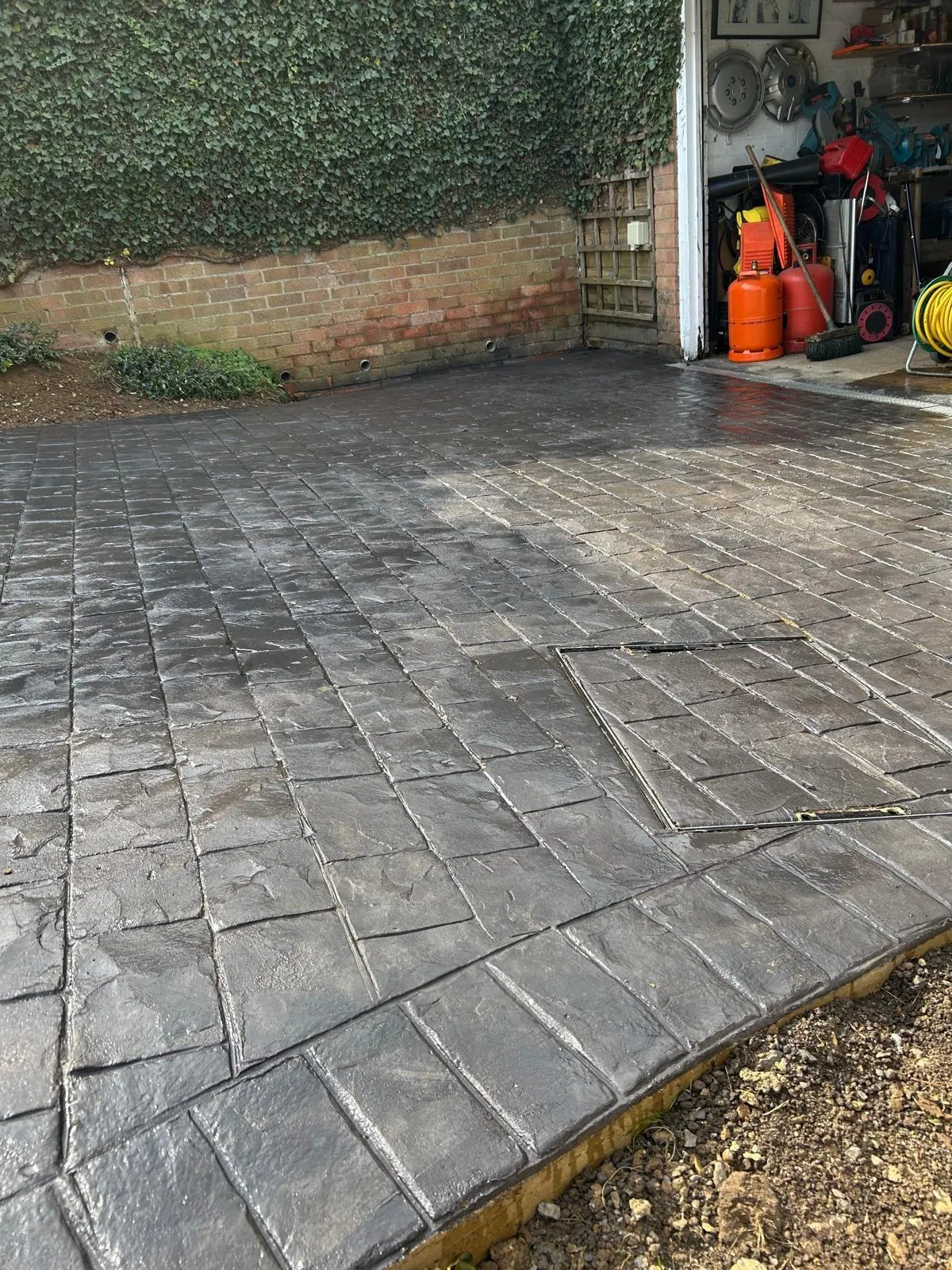
How much does a new driveway cost?
A plain-English 2026 guide to what different driveways cost and what makes the price go up or down. For a real figure for your drive, the at-home quote is free.
A plain-English 2026 guide to what different driveways cost and what makes the price go up or down. For a real figure for your drive, the at-home quote is free.
2026 cost guide
The honest answer to "how much is a new driveway?" is: it depends. Size is the biggest factor, then the material you choose, then how much groundwork and drainage the job needs. A small, straightforward drive on a sound base costs a fraction of a large one that needs digging out, new drainage and a retaining edge.
Below is a rough guide to how the materials compare. It is not a quote, every drive is different, but it gives you a feel for where each finish sits before we come and measure up.
Rough comparison
Relative guide only (£ = most affordable, £££ = premium). Your real price depends on size, ground condition and drainage.
What moves the price
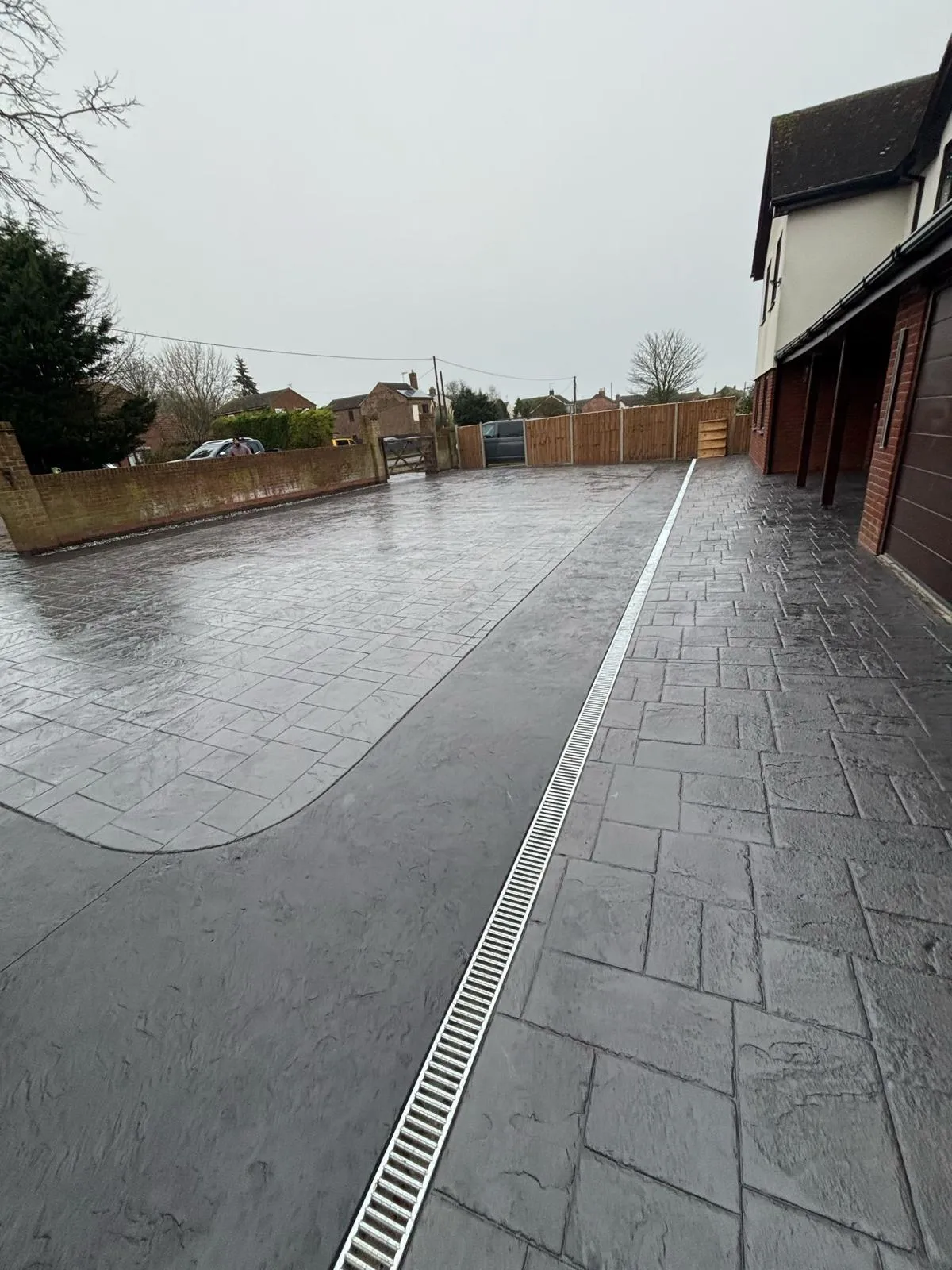
The bigger the area, the more it costs, but the cheaper it gets per square metre. Awkward shapes, steps and levels add labour.
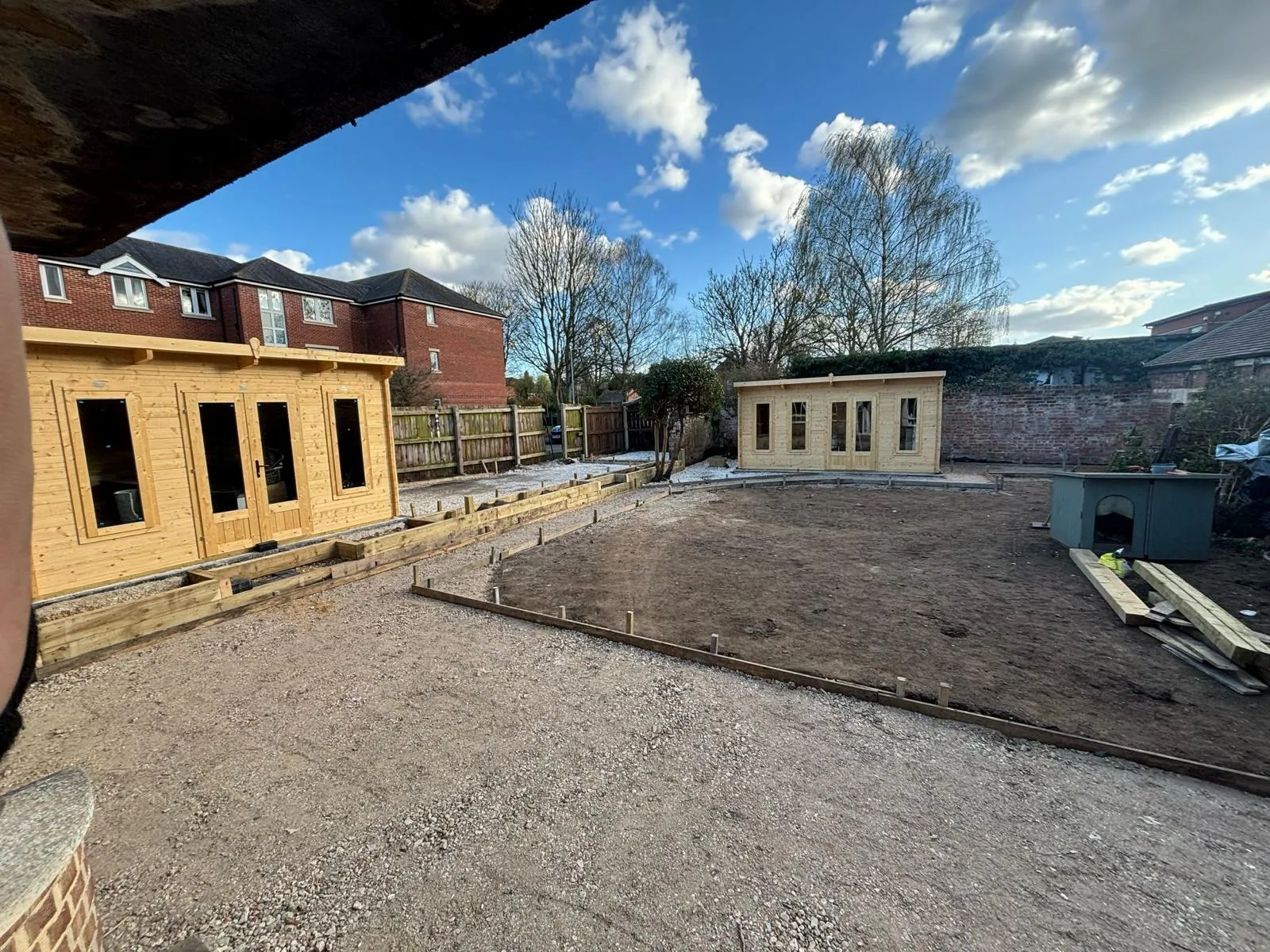
What is under the drive matters most. Digging out soft ground, removing an old surface, building a retaining edge or adding drainage all add to the figure, and all protect your investment.
In depth
Two things shape a driveway price before anything else: how big it is and what you surface it with. A larger area needs more materials and more labour, so size is the obvious driver. Material matters just as much, with block paving, resin, gravel and imprinted concrete all sitting at different points from budget to premium. Choosing the right finish for how you use the drive keeps you from paying for more than you need.
What you cannot see is often what dictates the real cost. The depth you excavate and the sub-base you build determine how long a drive lasts, and skimping here is a false economy. Around Wisbech, the soft silt and peat of the Fens and a high water table mean drives frequently need a deeper dig, more stone and proper drainage. Firmer, free-draining parts of Norfolk can be more forgiving, so the ground itself shifts the price.
Practical factors add up too. If access is tight and a digger or lorry cannot get in easily, more of the work falls to hand and labour rises. Removing and disposing of an old driveway, whether concrete, tarmac or paving, adds to the job before the new one begins. Extra features like edging, steps or a wider dropped kerb also carry a cost. None of this is hidden when we quote, it is set out clearly.
The only way to get an accurate price is a proper look at the site, which is why we offer free at-home visits and written, no-obligation quotes. Beware a cheap number that skips the groundwork, because a thin sub-base and poor drainage are exactly what cause drives to sink and crack. As groundworkers first, we would rather build it right once. Spending properly on the foundation is what protects the whole investment over time.
Good to know
It varies by material and site, with gravel and tarmac at the lower end and resin and imprinted concrete at the premium end. The only accurate figure is a measured quote, which we do free.
Usually because the groundwork is skimped, a thin base, no drainage, no edge restraints. That is where driveways fail. We price the job done properly so it lasts.
Yes, always. We come to you, measure up, talk through options and give you a clear written price with no obligation and no pressure.
No, the best material is the one that suits your home, use and budget. We will give you our honest recommendation, not just the dearest option.
Usually because they are not quoting the same job. One price might include a deep, properly compacted sub-base and drainage, while a cheaper one cuts the dig short and skips the falls. On paper they look alike, but they will not perform alike, especially on soft Fen ground. When you compare quotes, look at the groundwork and drainage detail, not just the headline figure and the finish on top.
It can be. If the saving comes from a thinner sub-base, no drainage or rushed preparation, the drive is far more likely to sink, crack or pool water within a few years. Putting it right later usually costs more than doing it properly first time. Spending sensibly on the foundation is the part that protects everything you can see on the surface, which is where we focus.
The most reliable way is for us to visit and see the site for ourselves. We look at the size and shape of the area, the current surface, the ground conditions, access for machinery and how water needs to drain away. From there we can recommend a suitable finish and put a clear, written, no-obligation price in front of you, with the groundwork spelled out rather than glossed over.
Free at-home visit and a written, no-obligation price. No pressure, no salesmen, no surprises.