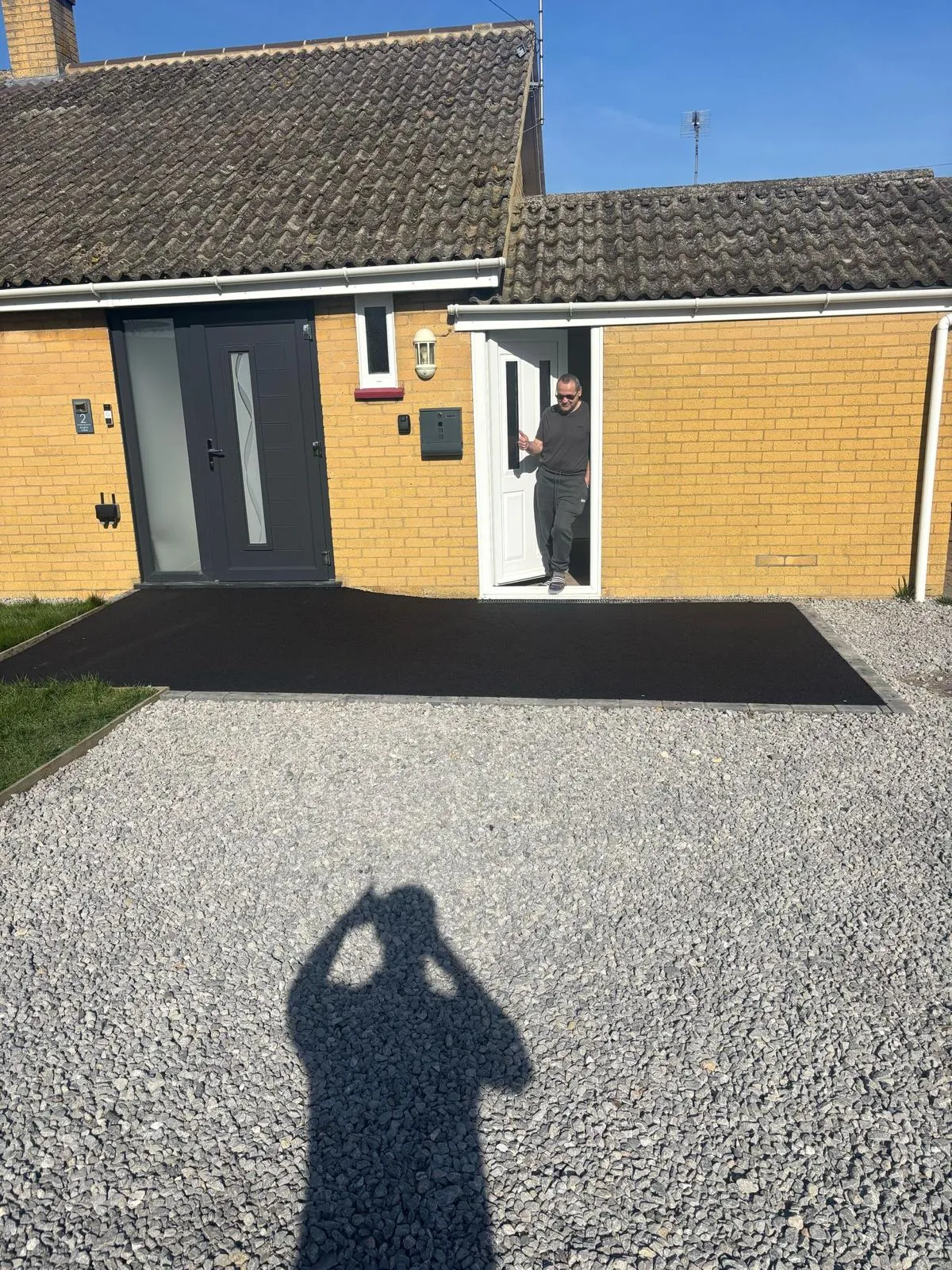
Gravel driveways in Wisbech
Natural, affordable and permeable. Laid over a proper membrane and sub-base so it stays put and drains freely.
Natural, affordable and permeable. Laid over a proper membrane and sub-base so it stays put and drains freely.
Gravel
Gravel is the most affordable driveway finish and one of the most charming, especially on the country and cottage properties around Wisbech and the Fens. Laid over a weed membrane and compacted sub-base, with a solid edge to hold it in, a gravel drive drains freely and crunches nicely underfoot.
It suits larger rural drives and is naturally permeable, keeping you on the right side of drainage rules.
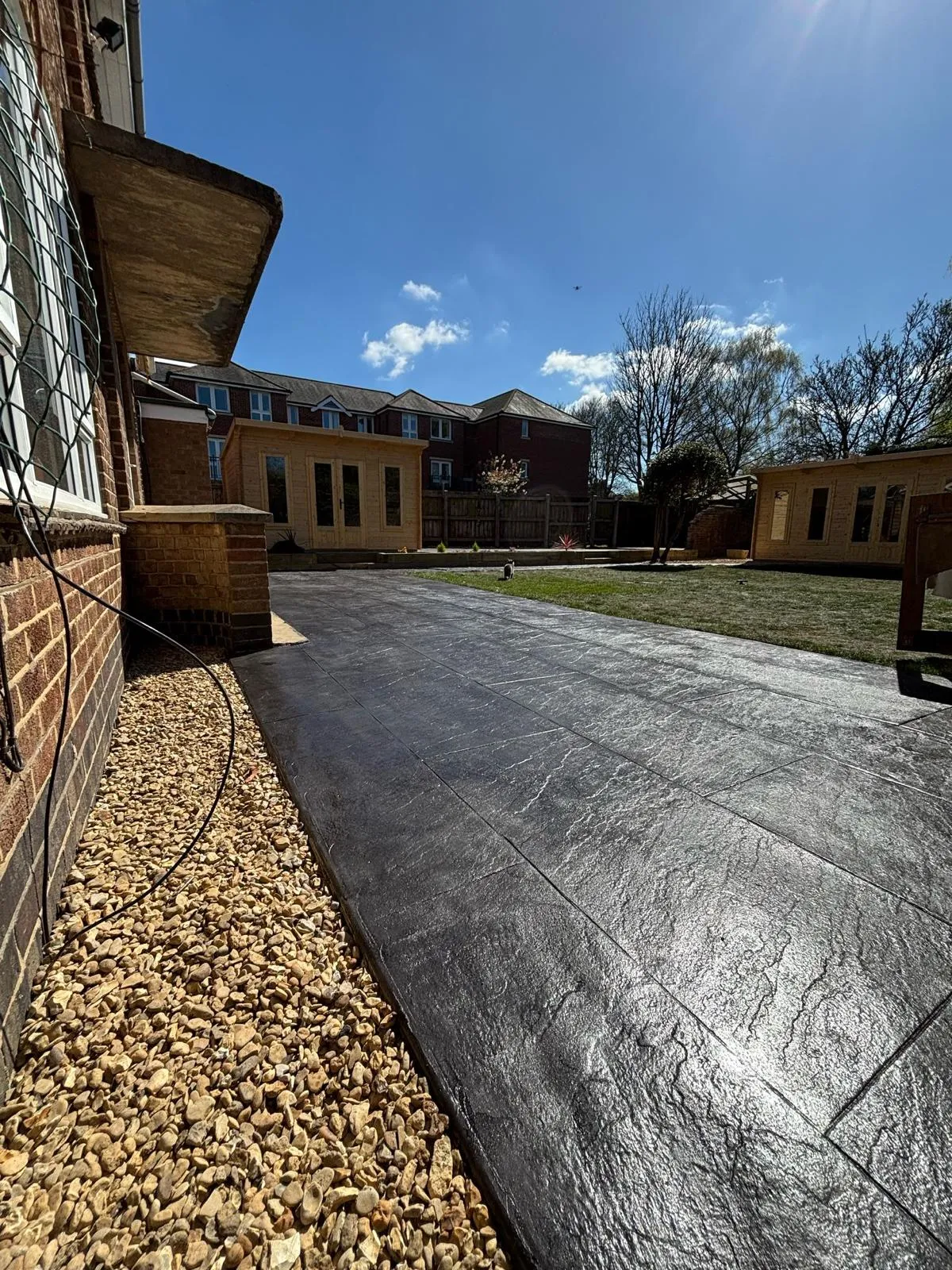
The budget-friendly option that still looks the part. It is permeable, easy to top up, and a favourite for larger and rural driveways.
Loose gravel migrates if it is just tipped on soil. We excavate, lay a membrane and sub-base, fit firm edge restraints and can add a gravel-stabilising grid so the surface stays level and easy to walk on.
Recent work
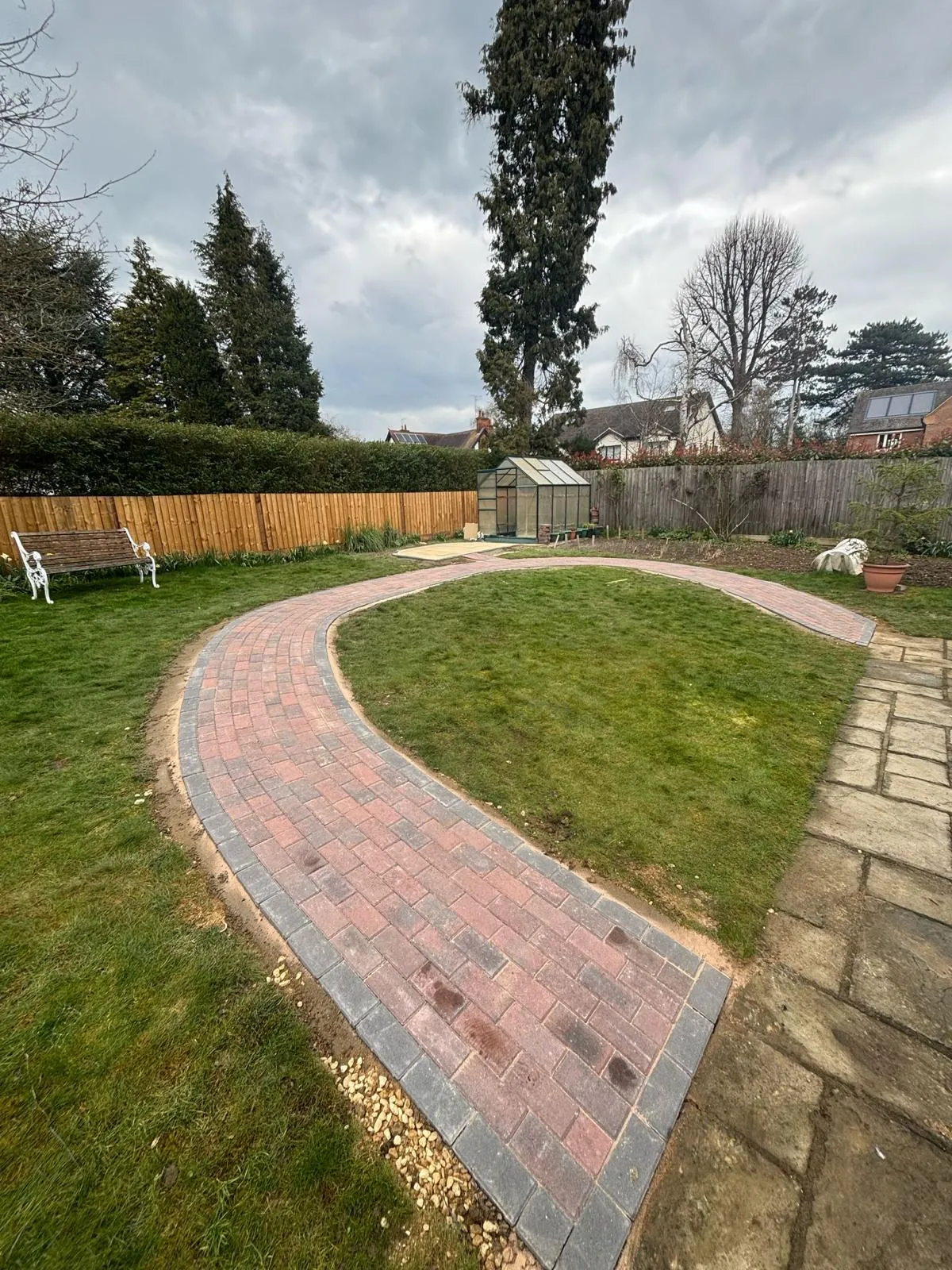
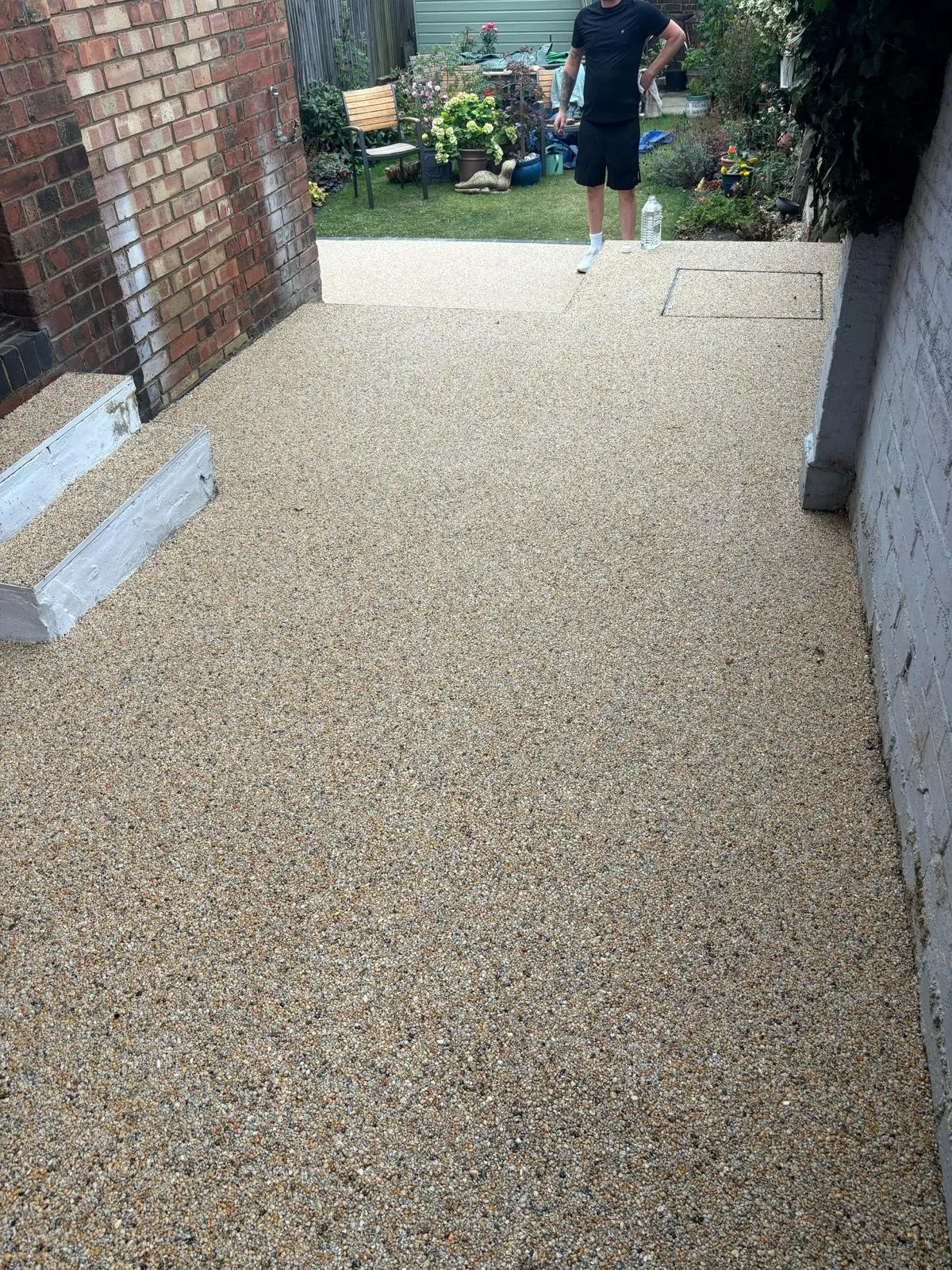
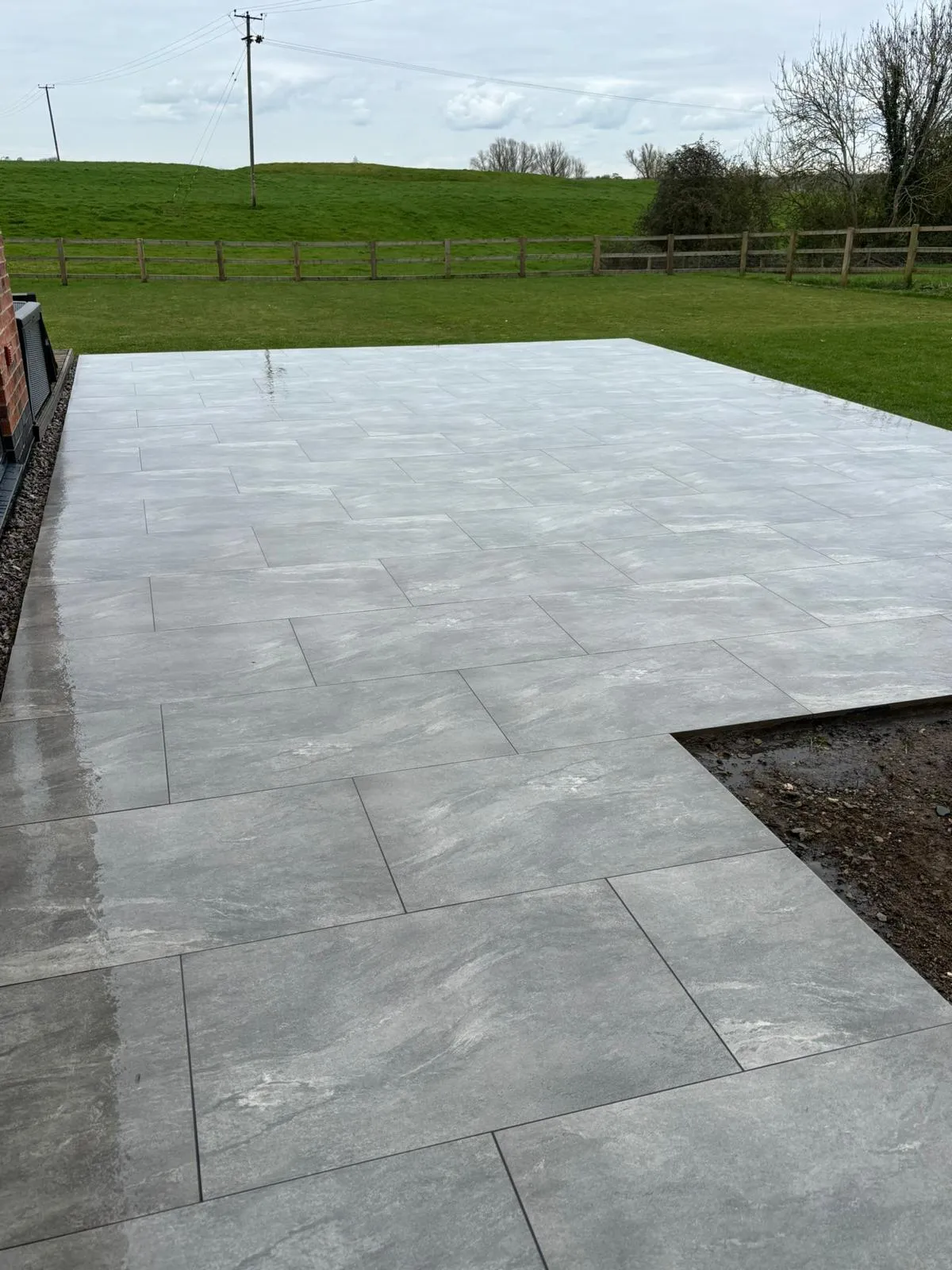
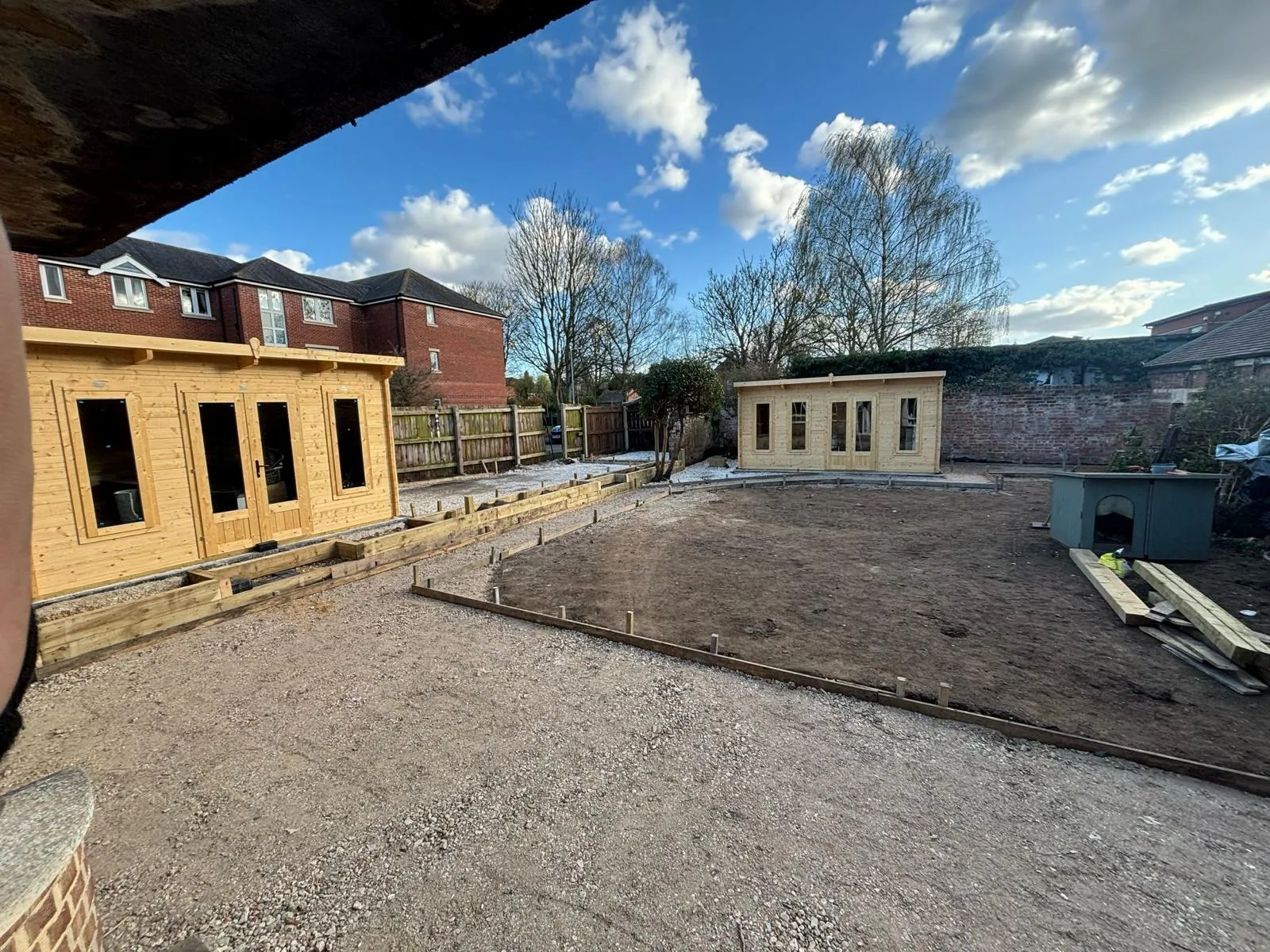
A selection of real jobs finished for homeowners across Wisbech and the surrounding towns.
In depth
Gravel ranges from loose decorative aggregate to self-binding gravels that compact into a firmer, more stable surface, and resin bound systems that lock the stone completely. Loose gravel is the most affordable and gives that classic crunch and cottage appeal; self-binding suits rural drives wanting less scatter; resin bound removes migration altogether. For a Fenland farmhouse or a Wisbech cottage, the right choice depends on traffic and how tidy you want it to stay.
Gravel is the most naturally permeable surface there is, letting rain soak straight through, which is a genuine plus on the low-lying, high water table ground around Wisbech and usually keeps a drive within permitted development. A well-built, drainable sub-base underneath stops the stone sinking into soft silt and pooling into ruts. As groundworkers, that base is where we make a loose surface behave over the long term.
Edging is what separates a smart gravel drive from a scattered mess. A firm restraint, whether timber, steel, block or a haunched kerb, holds the aggregate in place and keeps it off lawns and paths. A gravel stabilisation grid, filled with stone, holds the surface flat, cuts migration and makes it easier to walk and wheel across. Without retention, loose gravel spreads and thins where the tyres track.
Gravel is typically the lowest-cost driveway to install and the easiest to lay over a large rural area, which is why it suits long Fenland approaches and cottage frontages. It is low commitment: top up the stone every few years and rake it level rather than relaying. Against block paving or resin it needs more tidying and offers less of a firm, weed-free finish, but nothing beats it on price and rural character.
How it works
We come out, measure up and talk through materials, patterns and colours, at a time that suits you.
A clear, fixed, no-obligation price in writing. No pressure, no salesmen, no surprises.
Proper ground prep, correct sub-base and falls, then the finish, laid by our own family team.
Site cleared and swept, and we walk you round the finished drive before we leave.
Good to know
Very little. An occasional rake to level it and a top-up of stone every few years is about it. The membrane underneath keeps weeds down.
Not if it is laid properly. Firm edges and, on slopes, a stabilising grid keep the stone where it should be rather than migrating onto the lawn or road.
Yes, gravel is naturally permeable, so water soaks straight through. That makes it a SUDS-friendly choice that avoids puddling.
Absolutely. A block, brick or sleeper edge holds the gravel in and gives a neat, finished look.
Retention is the answer. A firm edging around the whole drive keeps the stone contained, and a stabilisation grid holds the surface flat so it migrates far less under tyres. Keeping the layer at the right depth, rather than piling it too deep, also cuts scatter. Raking it back level now and then keeps everything neat.
It can, as windblown seed settles in the stone, but a quality weed-control membrane under the aggregate stops weeds rooting up from the soil below. An occasional rake, hoe or spot weedkiller deals with anything on top. It is more upkeep than a sealed surface, but far cheaper and simple to keep on top of.
Loose gravel is harder to wheel across and can be awkward underfoot. If access matters, self-binding gravel or a stone-filled stabilisation grid gives a much firmer surface, or resin bound offers a fully smooth finish. We often mix approaches, a firmer path or apron with looser gravel elsewhere, to balance looks and practicality.
Free at-home visit and a written, no-obligation price. No pressure, no salesmen, no surprises.