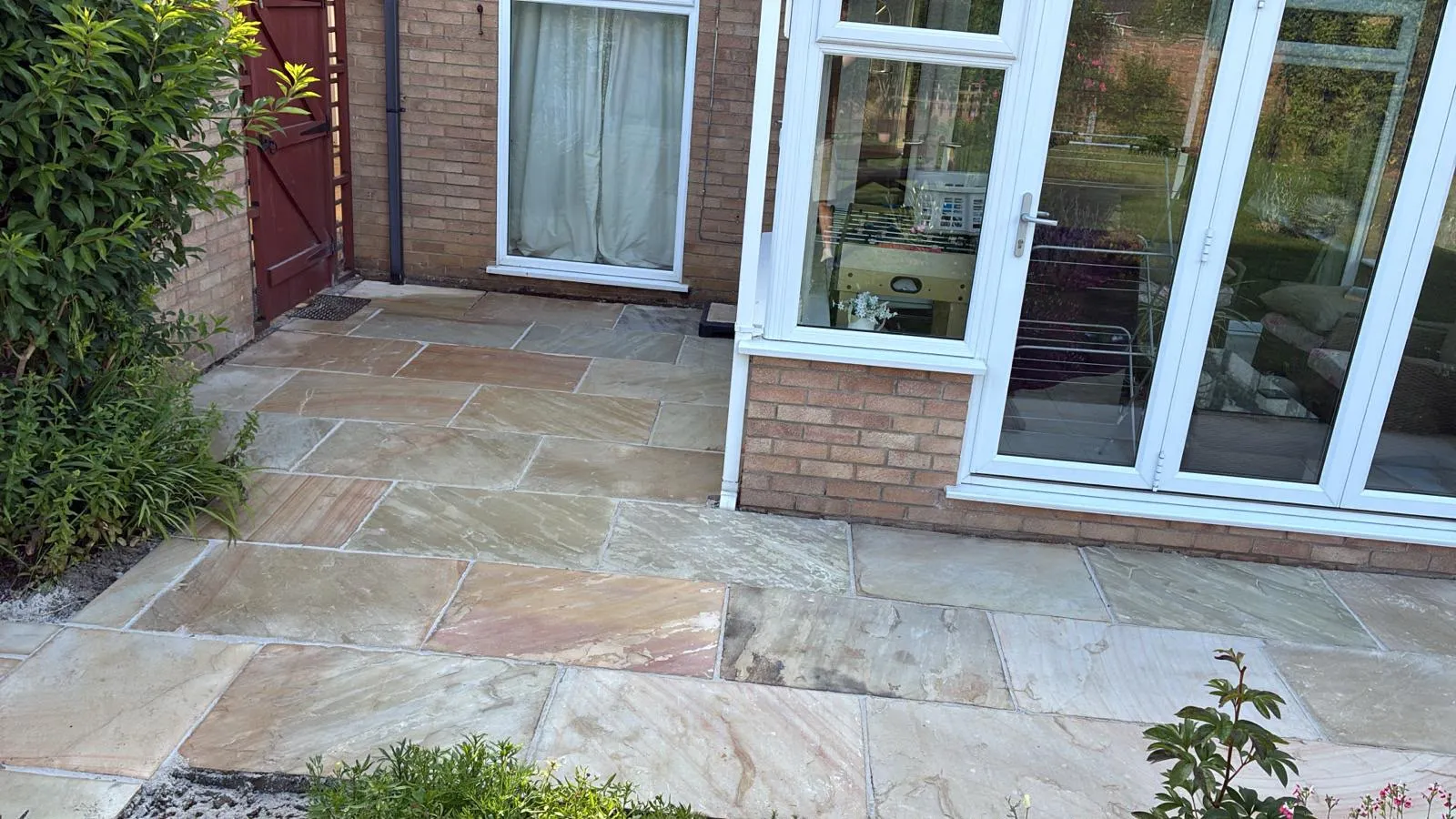
Paths, steps & edging in Wisbech
The details that tie a garden together: neat paths, safe steps and crisp edges in matching materials.
The details that tie a garden together: neat paths, safe steps and crisp edges in matching materials.
Paths, steps & edging
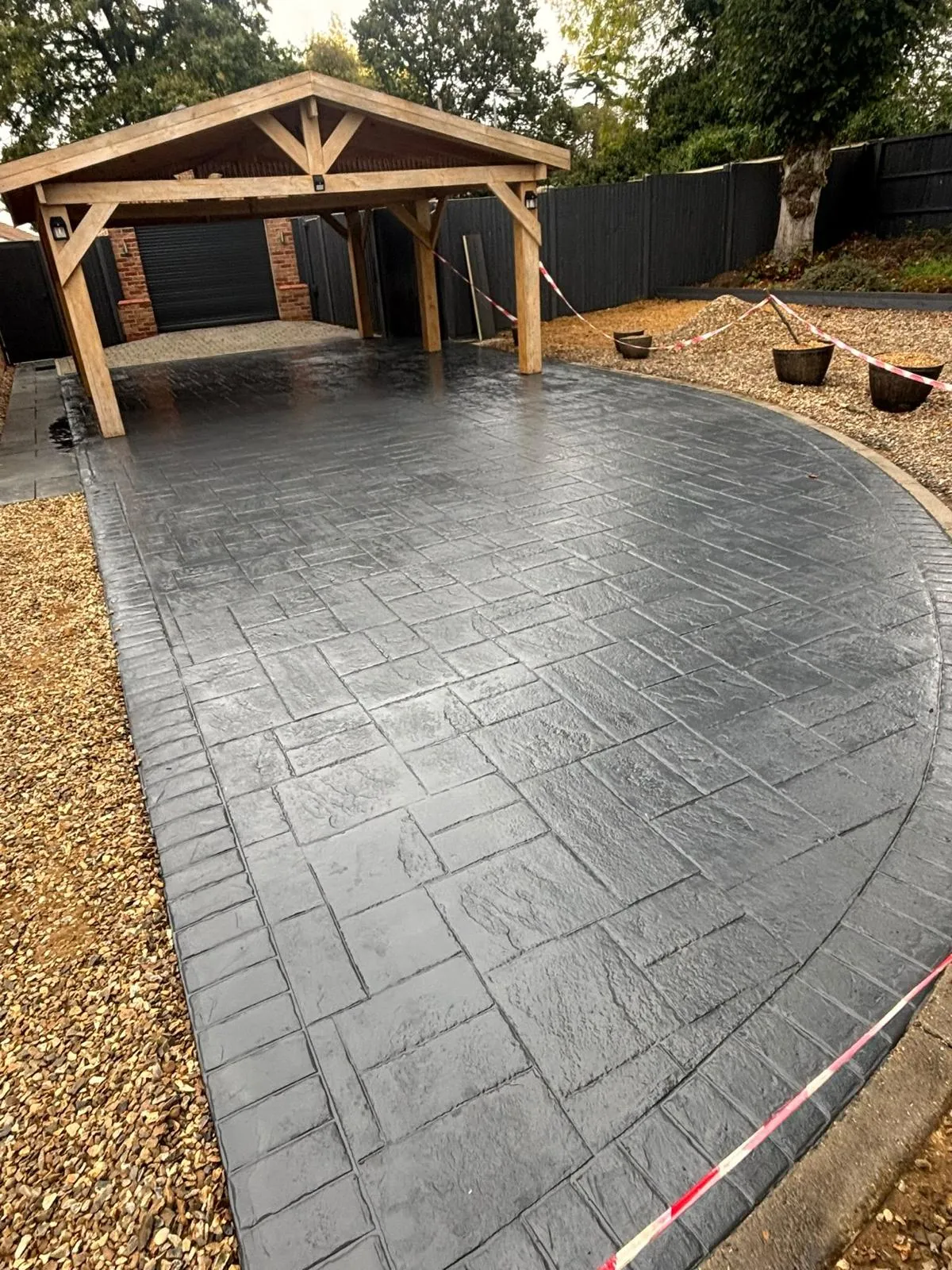
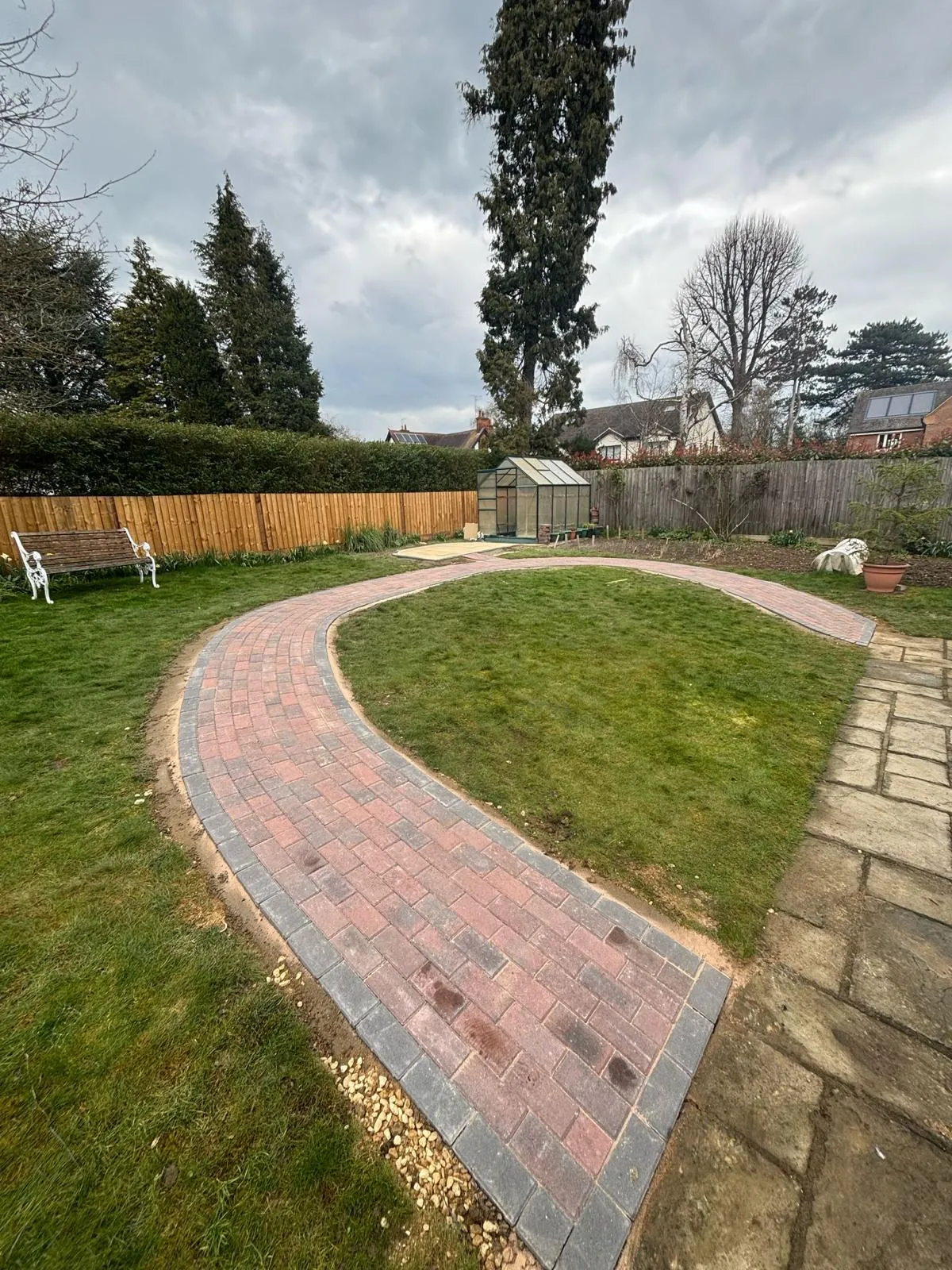
A garden works best when it flows: a path from the drive to the door, steps that handle the levels, and edging that keeps everything crisp. We build paths and steps in block paving, stone and imprinted concrete to match your drive or patio.
Done properly, with firm foundations and safe, even steps, these details lift the whole garden and make it easier to use.
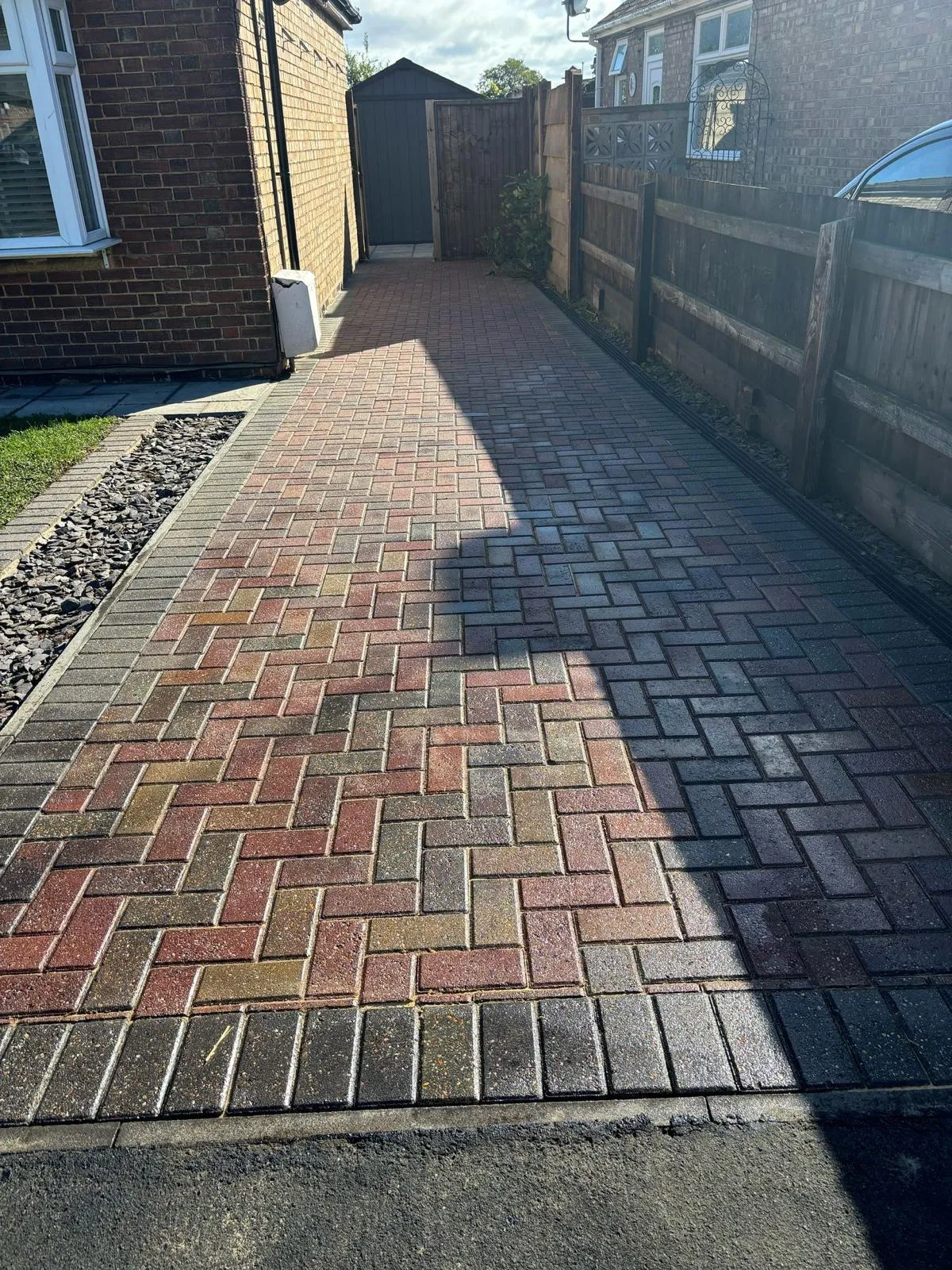
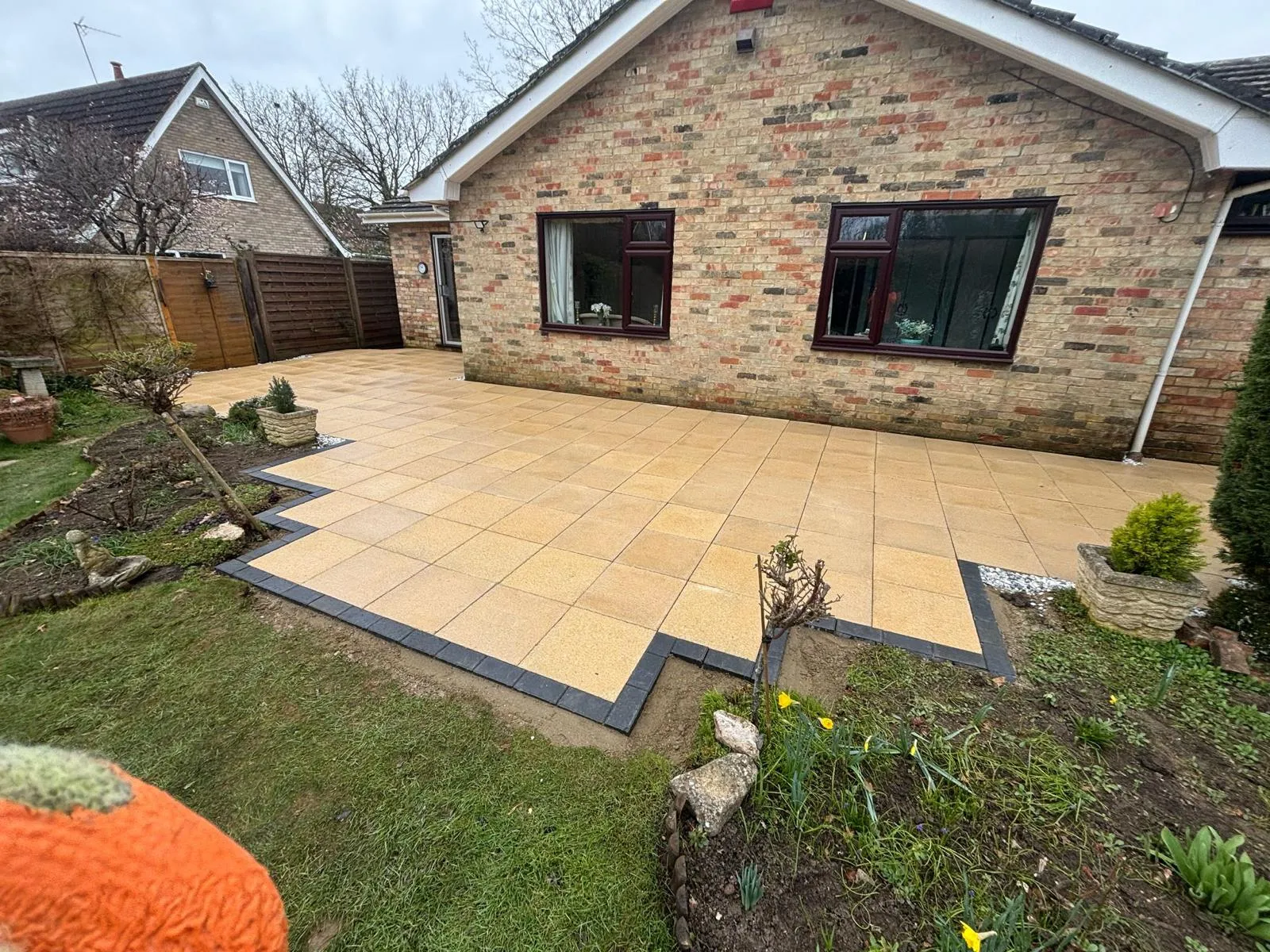
We lay paths in the same materials as your driveway or patio so the whole scheme ties together, block paving, porcelain, sandstone or imprinted concrete.
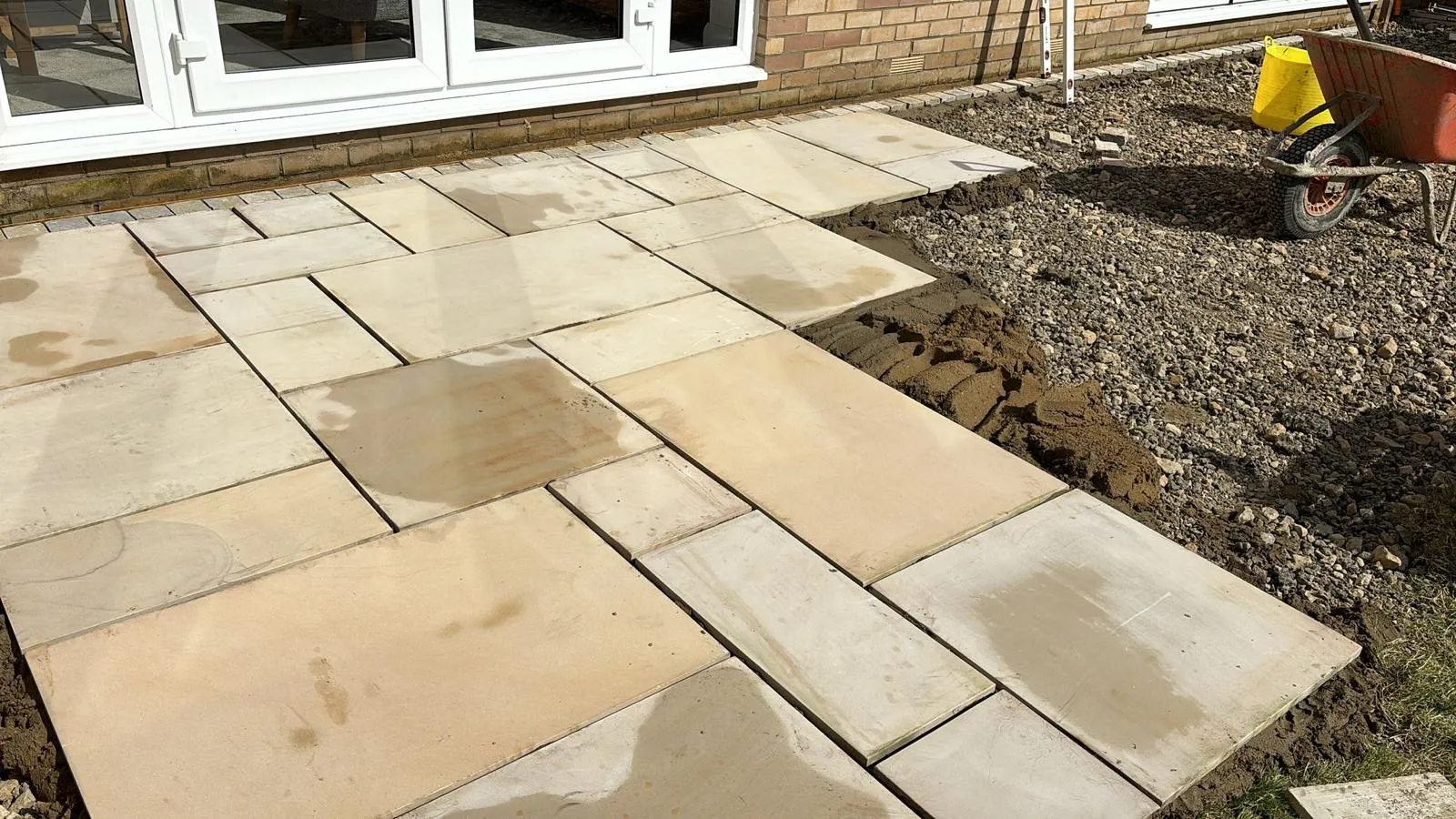
Steps need to be even, well-founded and safe underfoot. We build them properly, with the right rise and going and a solid base, in materials that match the rest of your garden.
Recent work
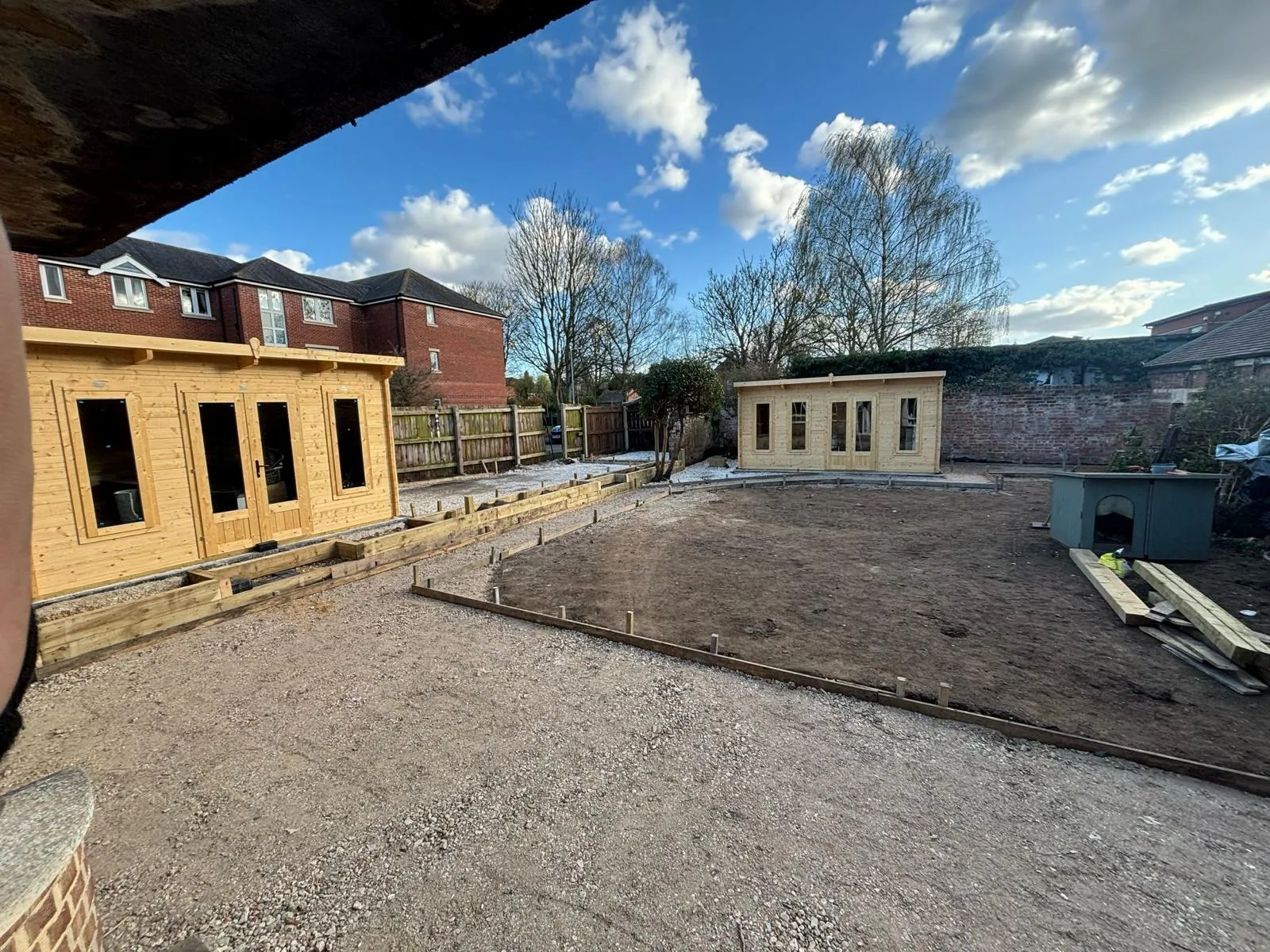
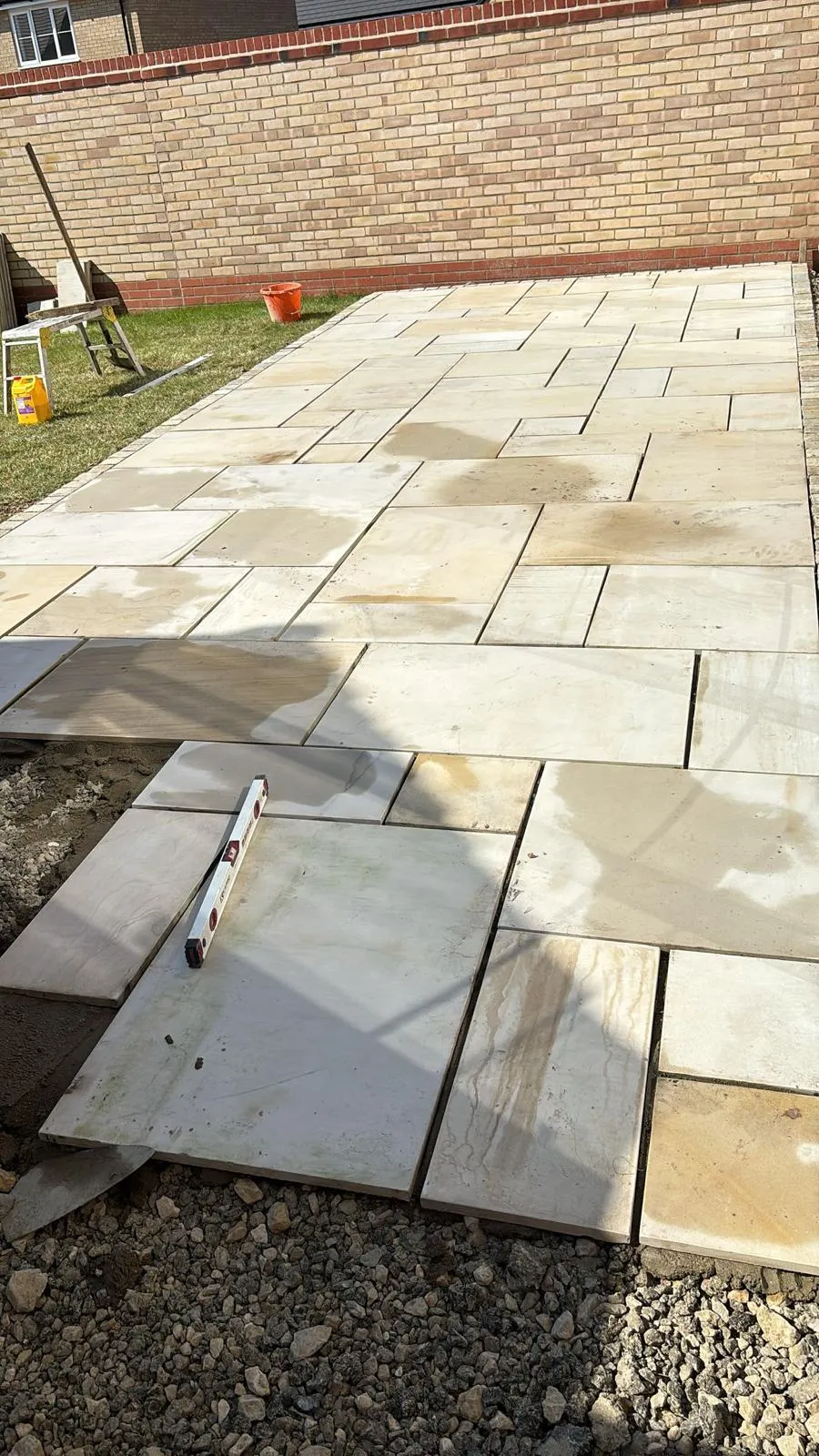
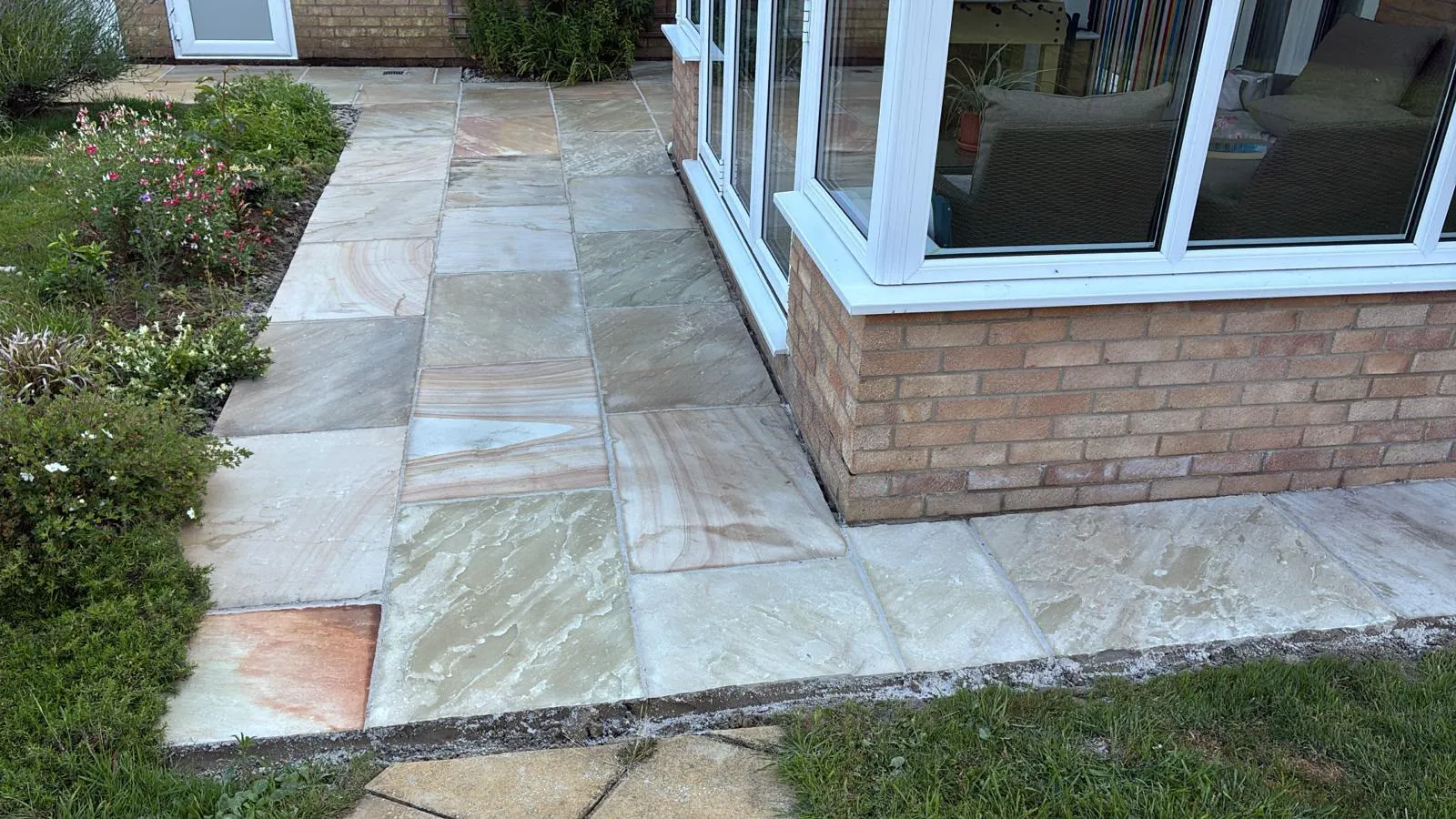
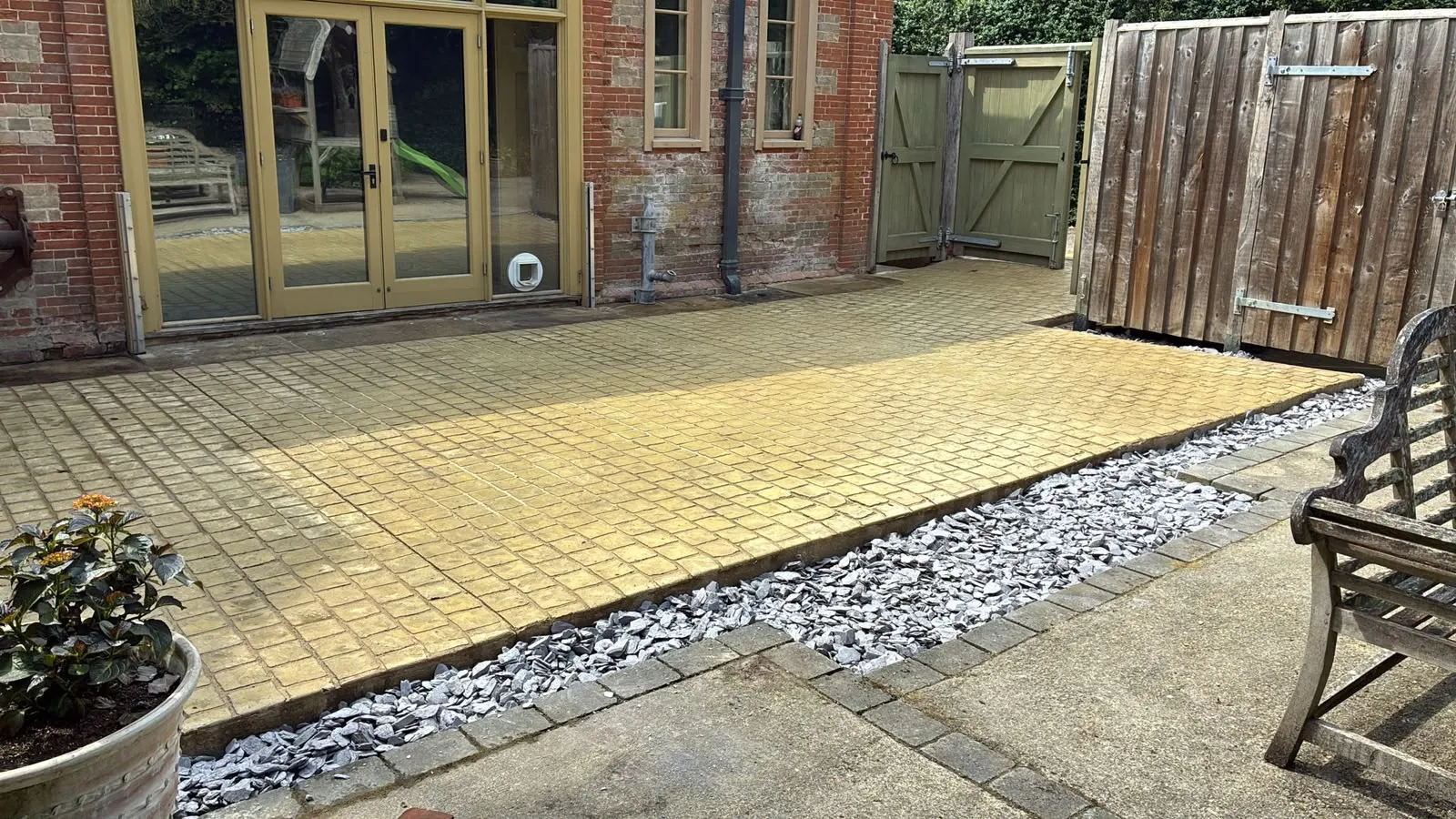
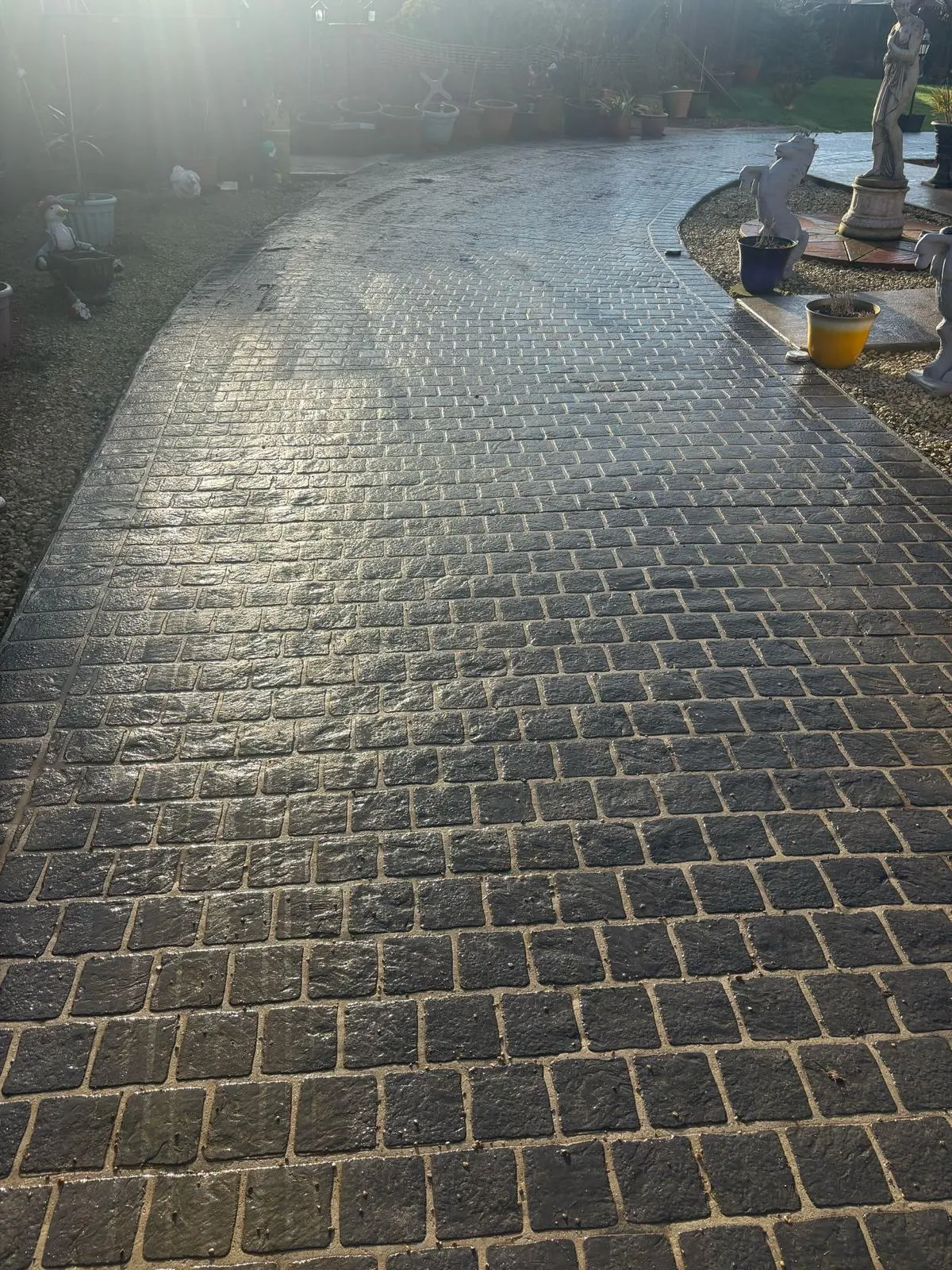
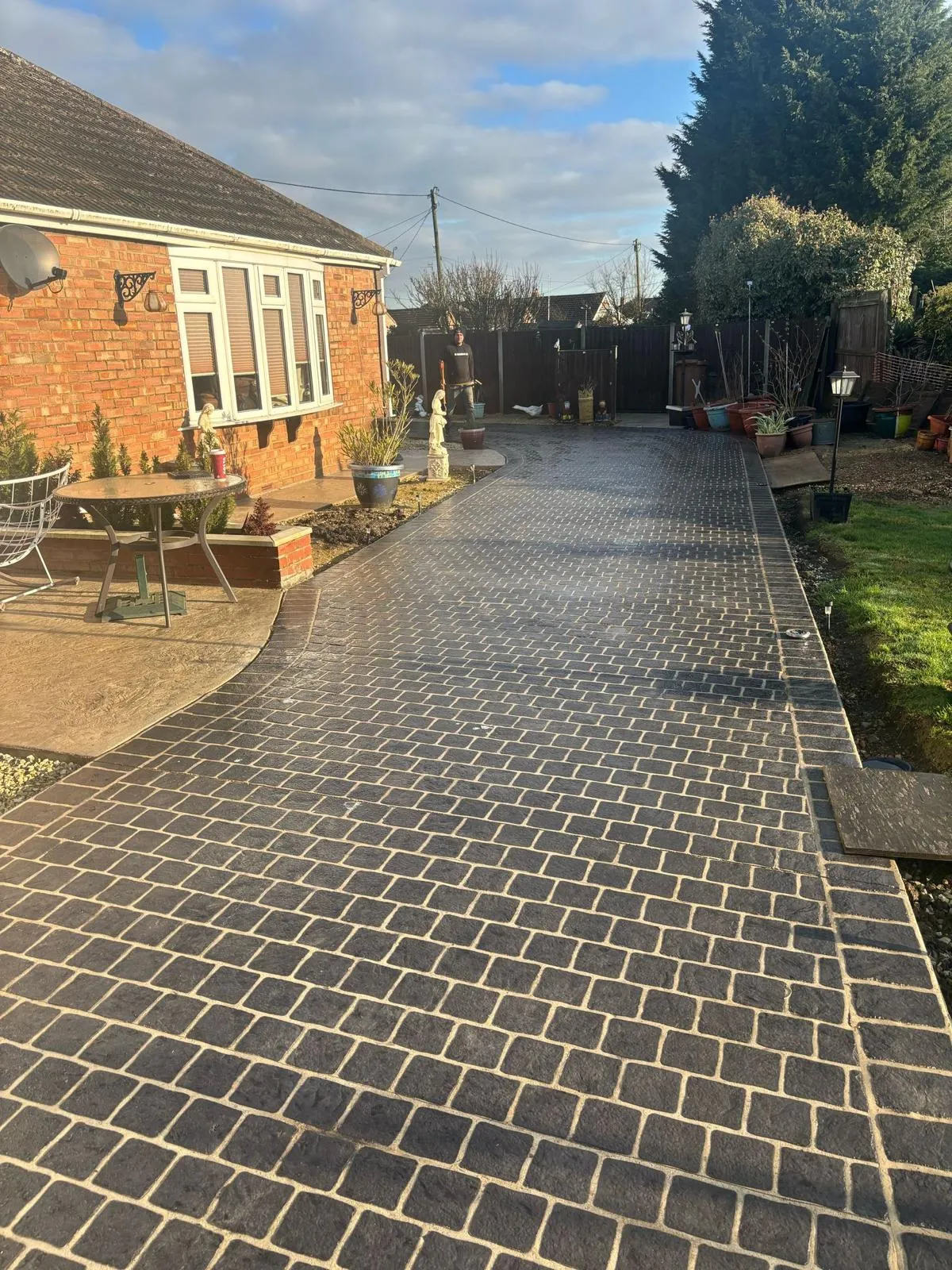
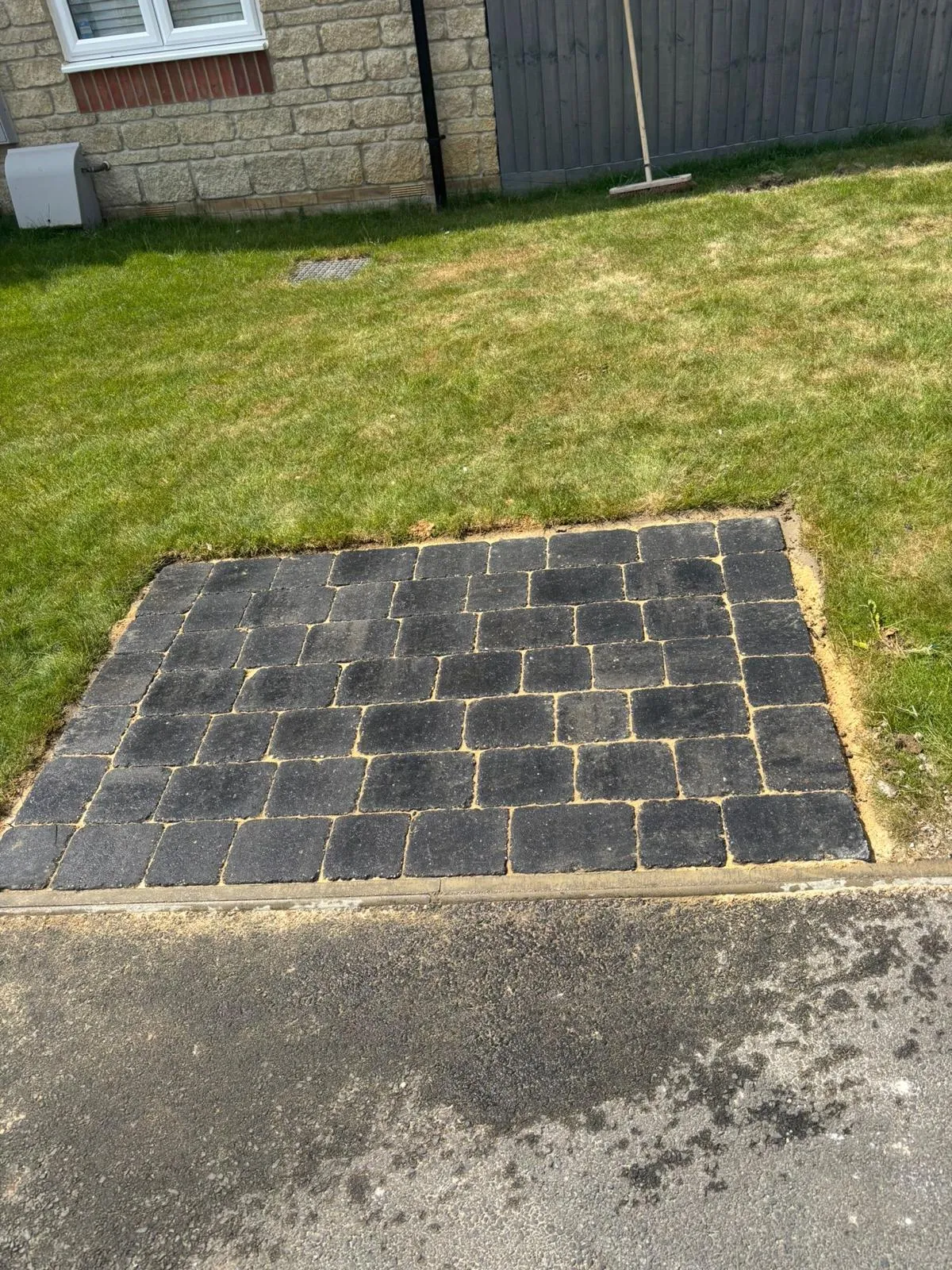
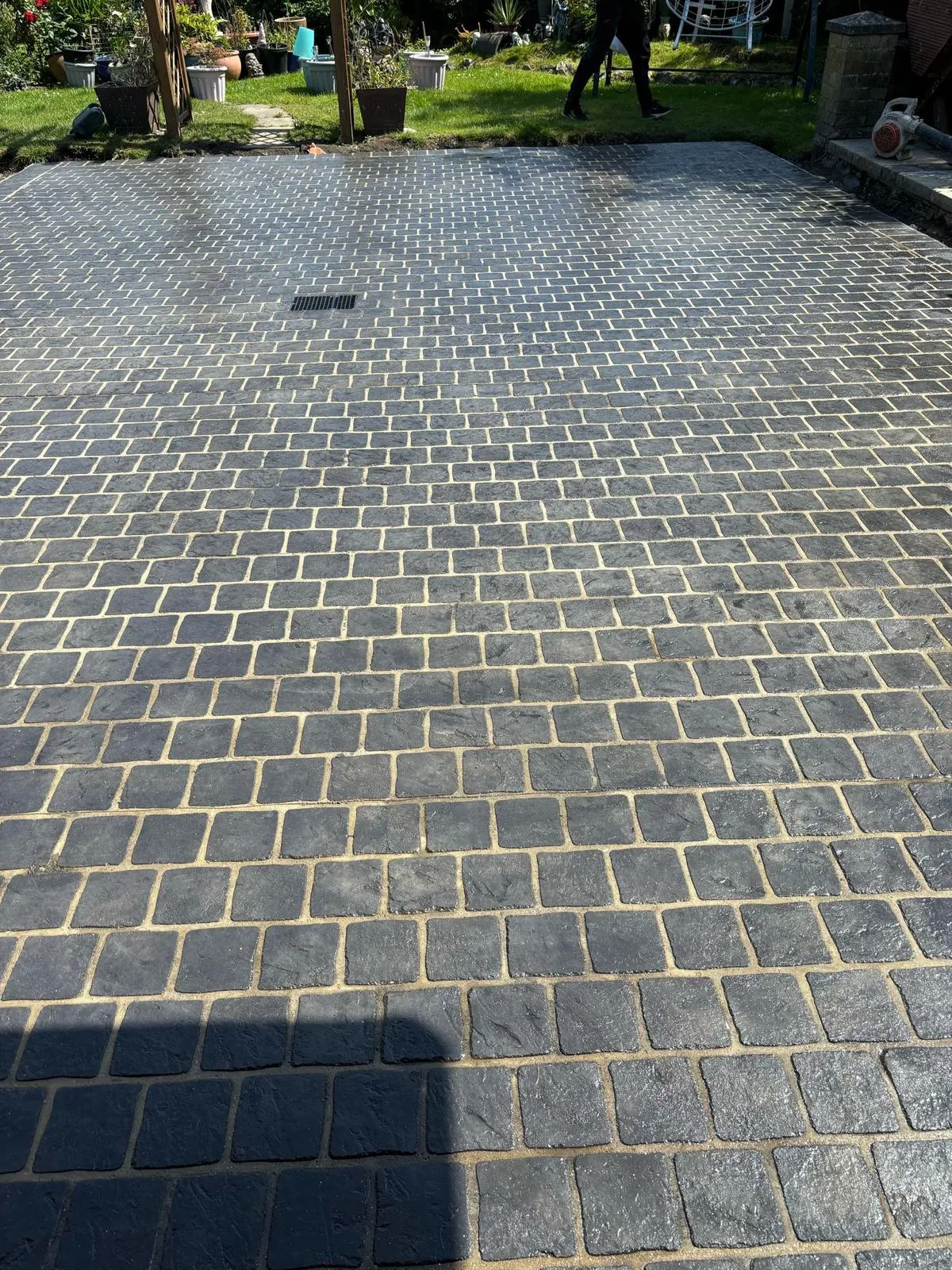
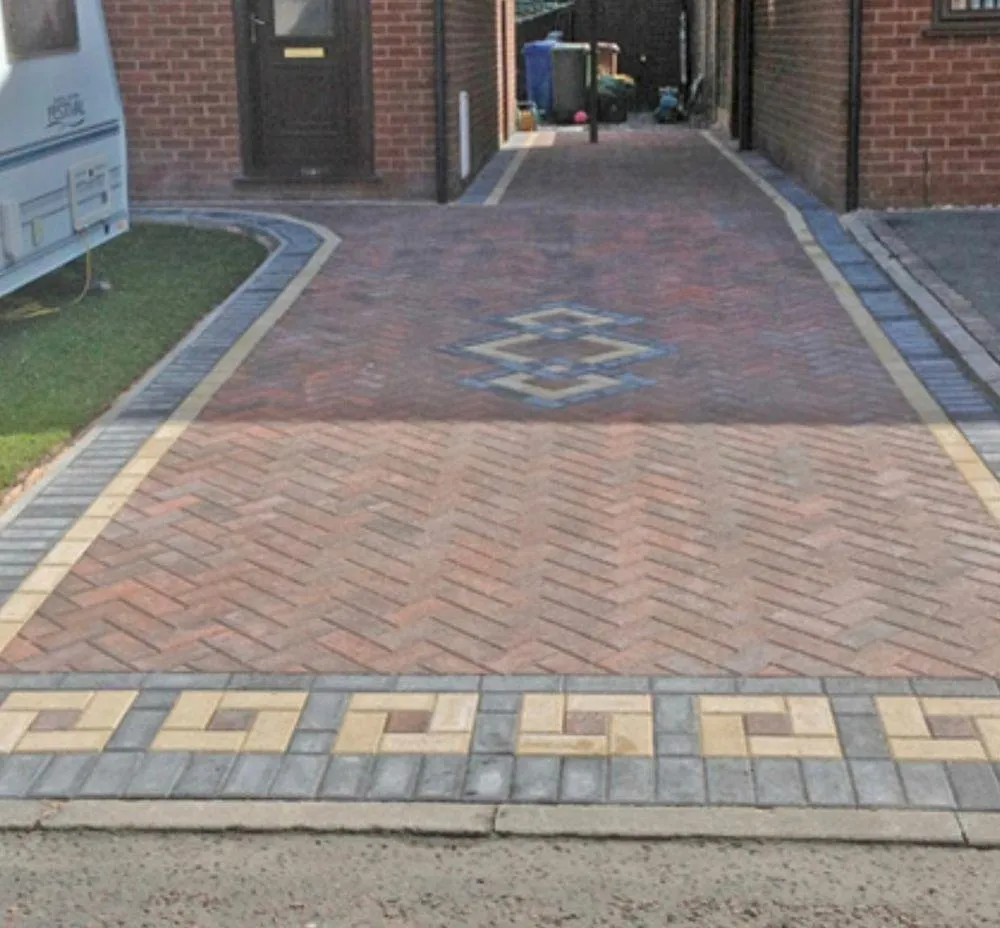
Paths, steps and edging that link driveways, patios and gardens together neatly.
In depth
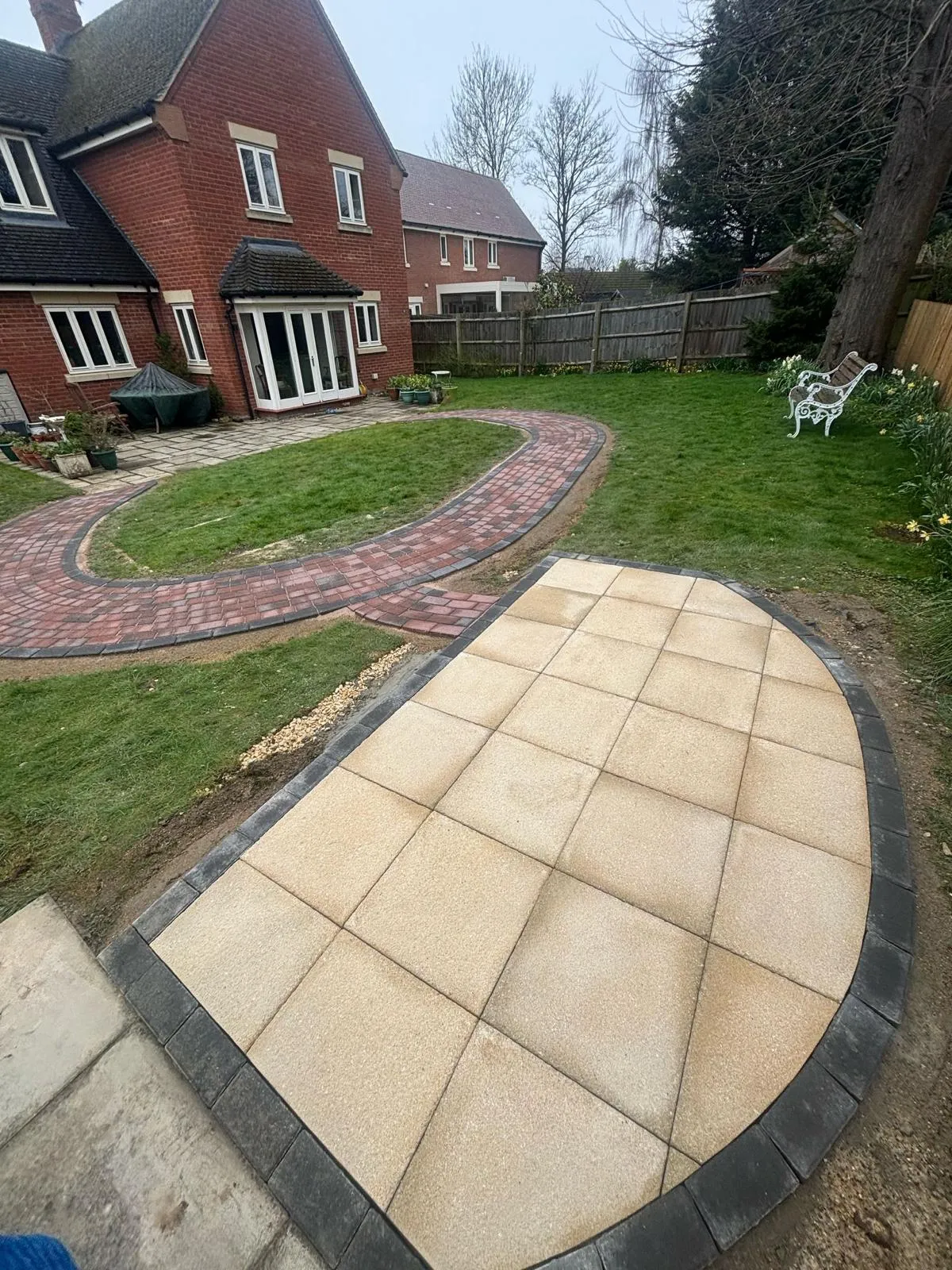
A path should tie your garden together, not look like an afterthought. We match materials to your existing driveway and patio, whether that means block paving, porcelain, natural stone or resin-bound gravel, so paths, seating areas and the drive read as one scheme. Around Wisbech we see plenty of gardens where a well-planned path links the front drive to a rear patio, and choosing complementary colours and formats makes the whole space feel considered and deliberately joined up.
Steps need to be comfortable and safe, not just functional. As a general rule we keep the rise of each step fairly low, around 100 to 150mm, with a generous going, or tread depth, of at least 300mm so there is room for a whole foot. Keeping every rise equal is what stops trips, because the eye and foot expect a steady rhythm. We also set a slight fall across treads so rainwater runs off rather than pooling.
Paths and steps move if they are not built on solid ground, and that is truer than ever on Fen soil. We dig out to a firm layer, lay and compact a proper sub-base, and set edgings and step foundations in concrete so nothing creeps or sinks. The soft silt and peat around Wisbech make this groundwork essential, because a path bedded straight onto topsoil will ripple and dip within a season or two.
Edging is what keeps a path crisp and stops it spreading into borders or lawn. We use haunched kerbs, block soldiers, timber or steel edging to suit the style, all bedded properly so they hold their line. Thoughtful edging also lets us change levels smoothly, blend paths into steps and guide people through the garden. Linking patio, lawn, beds and drive with clear routes makes even a modest Wisbech garden far easier to use and enjoy.
How it works
We come out, measure up and talk through materials, patterns and colours, at a time that suits you.
A clear, fixed, no-obligation price in writing. No pressure, no salesmen, no surprises.
Proper ground prep, correct sub-base and falls, then the finish, laid by our own family team.
Site cleared and swept, and we walk you round the finished drive before we leave.
Good to know
Yes, that is the point of good path and step work. We lay in matching materials and colours so it looks like one considered scheme, not add-ons.
Yes, we build low retaining walls, sleeper edging and brick or block edging to handle levels and keep everything crisp.
Yes, we choose textured, slip-resistant finishes for paths and steps, which matters on a wet Fenland morning.
We can set out ducting and fittings for path and step lighting as part of the groundwork if you would like it.
For outdoor steps we usually aim for a rise of around 100 to 150mm per step with a tread depth of at least 300mm, which feels natural and safe to walk. The most important thing is that every step in a flight is the same height, as uneven rises are the main cause of trips. We assess your slope and set out the steps to keep the rhythm consistent from top to bottom.
Yes, and we often do. We can pick block paving, porcelain, natural stone or resin-bound surfacing to complement the colour and format of your current drive or patio, so the garden feels joined up rather than piecemeal. If your original materials are no longer available, we will suggest the closest sympathetic match. Bringing a sample or a photo to your free at-home visit helps us get the pairing right.
Almost always because of poor foundations. A path laid onto topsoil with no compacted sub-base will ripple, dip and crack as the ground moves, and the soft silt and peat around Wisbech makes that worse. We dig out to a firm layer, lay and compact a proper sub-base, and set edgings in concrete so the path stays true. Getting the groundwork right is the whole point of a path that lasts.
Free at-home visit and a written, no-obligation price. No pressure, no salesmen, no surprises.